Rental real estate in Arizona is a study in contrasts. Dry heat and dramatic monsoons. Fast growth and old plumbing. Favorable landlord statutes and tight insurance timelines. If you own rentals in Phoenix, Tucson, Mesa, or smaller markets like Yuma and Prescott, you already know one claim can chew up months of cash flow and attention. Public adjusters sit in that messy middle, hired by the policyholder to document damage, value the loss, and negotiate with the carrier. They are not a fit for every claim, and not all adjusters are equal. When the property is tenant‑occupied and the clock on habitability is ticking, the calculus shifts.
This is a field guide from the landlord’s side of the table. It has less to do with theory and more to do with how Arizona statutes, desert weather, and rental realities collide with insurance policies, and where a capable public adjuster can make a difference.
What a public adjuster does in landlord language
Public adjusters represent you, not the insurer. If the roof peels off in a microburst, the insurer will send its own adjuster. That person works for the carrier. A public adjuster is licensed by the state to do the same core tasks, but with your recovery in mind: measure, estimate, interpret policy language, assemble evidence, and negotiate payment.

For rentals, the nuance lies in two extra layers. First, habitability duties under the Arizona Residential Landlord and Tenant Act press you to act before coverage is certain. Second, losses often involve business income, not just property. A water line break under a second‑floor hallway can torpedo three leases through displacement, lost rent, and concessions during repairs. An adjuster who understands how to frame those losses under Coverage A (dwelling), Coverage B (other structures) where applicable for single‑family policies, Coverage C (for appliances you own), Coverage D or Additional Living Expense equivalents for loss of use, or Business Income/Rental Value under a commercial or habitational package, will surface dollars that a quick inspection misses.
Public adjusters are not lawyers or contractors. The best ones know when to loop in a restoration vendor for moisture mapping or an attorney for a coverage dispute. The worst ones promise the moon, then disappear after getting you to sign a fee agreement. Vetting matters.
Arizona’s hazards, and how they show up in claims
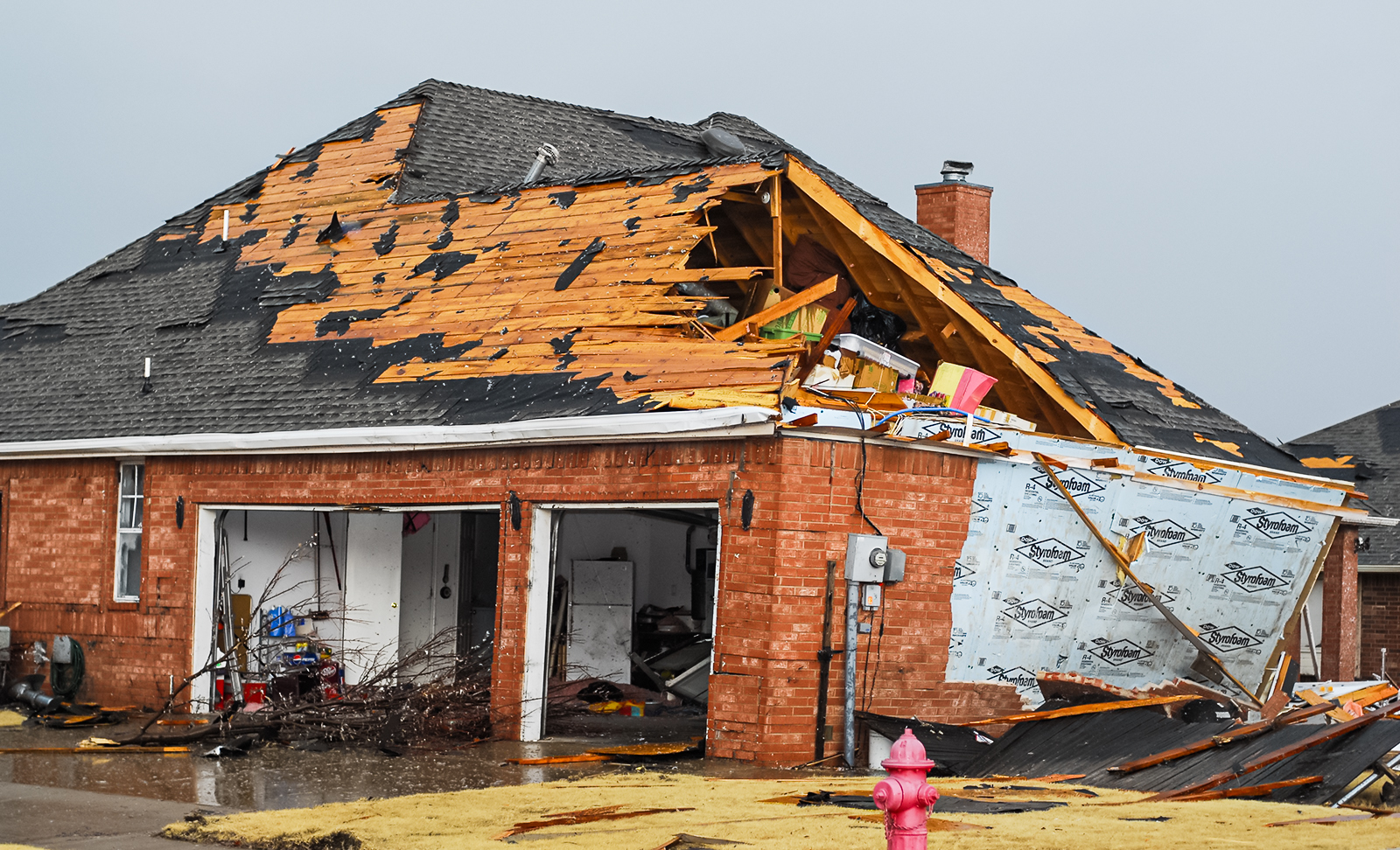
Monsoon season runs roughly mid‑June through September, with localized downbursts that can drop two inches of rain in an hour and horizontal winds strong enough to lift shingles. Haboobs push dust into every gap and chew up condenser fins. Winter brings short, hard freezes that burst pipes in uninsulated attics. Spring lightning strikes knock out boards and fry appliances. Wildfire risk is serious on the urban fringe. All of this sits on underlying conditions like older polybutylene supply lines in 1980s stock, cast iron drains in mid‑century multifamily, and flat roofs with poorly maintained scuppers.
Those details drive claims. A roof leak in a monsoon may be covered if it starts with wind that compromises the roof surface, but often excluded if the carrier frames it as long‑term maintenance failure. A broken supply line is sudden and accidental, covered in many forms, but mold blooming over a week may test sublimits. Wind‑blown dust that pits paint and fills ductwork rarely fits neatly into named perils policies. Electrical surge claims hinge on proof of lightning or a separate equipment breakdown endorsement. In short, Arizona’s “common” losses are anything but straightforward on paper.
A public adjuster with local files will walk your property differently. They will pull fascia to check for fastener pull‑throughs, photograph hail spatter on soft metals, and measure moisture in base plates, not just carpet. They will ask the property manager for tenant texts to fix timelines. They will find the old roof patch two owners back that a carrier might cite as preexisting, then assemble a narrative that isolates the new damage from the old.
Timelines, habitability, and cash flow pressure
The law moves faster than insurance. Arizona requires landlords to keep premises fit and habitable. If the AC fails during a 110‑degree week, you have to move, repair, or compensate. If a sewer line backs up into a garden‑level unit, you cannot let tenants stay while you wait for coverage letters. And if repairs stall, tenants may be entitled to rent credits or early termination.
Carriers, meanwhile, have their own clocks. Arizona’s Unfair Claims Settlement Practices rules require timely acknowledgement and investigation, but “timely” still means days to weeks for field inspections, reserve setting, and coverage decisions. On larger losses, they will advance some funds, but often not enough to cover displacement and immediate mitigation without pushback. Every day costs you rent, vendor fees, and goodwill with tenants.
A seasoned public adjuster can compress that lag. They know which documents secure an advance within a week, what photos answer predictable carrier questions, and how to structure your mitigation so it aligns with policy language. For example, they will get a licensed mitigation vendor to produce a moisture map, photo log with date stamps, and daily dry‑down logs. They will flag the units that are uninhabitable in writing to the carrier and request loss of rents under the correct coverage, not just extra expense. They will press for a partial coverage determination that frees funds while scope disputes continue.
Where public adjusters add or subtract value for landlords
Public adjusters typically charge a percentage of the settlement. In Arizona, 8 to 12 percent is common, sometimes tiered or capped for very large losses. That fee has to come from somewhere, so the right question is whether the recovery net of fees improves your position. It usually does when the loss is complex, disputed, or involves business income. It rarely does for a small, straightforward claim.
Here’s how the trade‑offs play out.
On a two‑story quadplex in Glendale, a supply line in an upstairs bath bursts while the tenant is out of town. Water runs for hours before a neighbor notices. Ceiling collapse, wet insulation, moisture migration into common walls, and a soaked electrical panel. The initial carrier estimate keys to visible drywall and paint in two rooms, with a modest allowance for flooring. A public adjuster re‑scopes and includes demolition to access wet cavities, insulation replacement, electrical inspection and panel replacement, cabinet toe‑kick removal, baseboard disinfection, and sealing. They add code upgrades triggered by permit requirements, an item often missed. On the income side, they document the unit’s downtime and the rent roll, then calculate loss of rents through the critical path of repairs, not the earliest possible move‑in date. The net difference can be five figures.
Contrast that with a minor roof leak over a single‑family rental in Chandler after a wind gust lifts a few shingles. Damage is confined to a closet ceiling and one run of laminate. The carrier acknowledges wind as the cause and pays the claim less deductible. Bringing in a public adjuster may simply move money around, not increase it.

There are also situations where an adjuster catches exclusions before you spend money. on an older flat roof with chronic ponding, a carrier may classify interior damage as the result of long‑term seepage, excluded under many forms. An adjuster who sees the writing on the wall will advise you to pivot to cap repairs under maintenance and focus on preventing future losses rather than escalating a weak claim and burning time.
Residential landlord policies versus commercial habitational packages
Many Arizona landlords hold single‑family rentals insured under a dwelling policy. Others run small to mid‑sized multifamily under commercial property or a business owners policy with endorsements. The coverage landscape differs.
Dwelling forms often limit coverage for “loss of use” to a percentage of Coverage A, set sublimits for mold, and exclude ordinance or law unless endorsed. Appliances you own sit under Coverage C or a landlord furnishings endorsement. Vandalism may be excluded if a property is vacant more than a set number of days. A water backup endorsement is optional and easy to forget.
Commercial packages for habitational risks usually include Business Income with Rental Value, often written on an actual loss sustained basis for a period like 12 months, subject to coinsurance conditions or monthly limitations. They may include Equipment Breakdown, which can cover AC compressors and elevator motors for certain causes. Deductibles can be per occurrence or per unit of insurance, and wind/hail deductibles sometimes differ in monsoon‑heavy counties.
Public adjusters read these forms the way your CPA reads a partnership agreement. The language dictates the proof you need. Under Business Income, for example, the policy pays the rental value during the period of restoration. The period of restoration is not however long it takes if contractors are scarce, but the reasonable time to repair or replace with due diligence and dispatch. That distinction becomes critical during labor shortages. A competent adjuster will build a realistic but defensible critical path schedule using contractor bids, lead times for windows or roof trusses, permit turnaround histories, and vendor availability. Without that structure, carriers default to optimistic timelines and trim rental losses accordingly.
Tenant damage, vandalism, and subtle coverage traps
Tenant‑caused damage lives in a Public Adjuster gray zone. If a tenant runs a bath and floods a unit, most policies treat it as sudden and accidental water, covered. If a tenant punches holes in doors or paints walls black, many policies define that as vandalism or malicious mischief, often covered subject to vacancy and other conditions. Routine wear and tear, pet scratches, or neglect is almost always excluded.
The line blurs when damage accrues slowly. Mold behind a vanity that has dripped for months, wood rot under an unsealed slider, or a deck collapse after long‑term deterioration will run headlong into exclusions. A public adjuster cannot manufacture coverage, but can isolate covered portions. They may argue that while the rot was preexisting, the sudden failure triggered additional damage, and that portion should be valued. They can also bring in a hygienist to quantify mold within sublimits and ensure remediation protocols align with the policy’s definition of direct physical loss.
Criminal damage in multifamily has its own pattern in Arizona. Break‑ins that pry patio doors off tracks, copper theft at condenser units, tagging on stucco and block walls. Carriers sometimes try to apply cosmetic damage exclusions, especially for EIFS or stucco hairlines. Photographic evidence that shows penetration or compromised waterproofing changes that conversation. A public adjuster will push to include repainting entire elevations for color match under a reasonable uniformity standard when a patch would stand out.
The practical workflow when you bring one in
Hiring a public adjuster is not a magic wand. You still have to mitigate, move tenants, and manage timelines. The smoother workflows share a few traits.
- Triage first, scope second. Stop the leak, board the window, cap the gas. Document with time‑stamped photos and short videos before and after mitigation. Save receipts and text threads with tenants who reported the issue. Then call the public adjuster the same day if the scope looks bigger than your maintenance crew. Align mitigation with the policy. Use licensed mitigation vendors for water events so the logs hold up. Keep discarded materials until the carrier or adjuster sees them. If you must remove wet drywall before anyone arrives, photograph thickness, cut heights, and any microbial growth. Centralize communication. Give the adjuster a single point of contact on your side, ideally your asset or property manager. Share leases, rent rolls, security deposit ledgers, maintenance logs, and prior work orders. A clean data packet often shaves weeks. Set expectations with tenants in writing. Clarify habitability status, timelines, relocation options, and rent adjustments. Your adjuster can help mirror those facts in the loss of rent claim so the numbers match reality. Track the critical path. Post a repair calendar and update it as permits, inspections, and vendor schedules move. The documented path becomes the backbone of any business income claim.
None of this requires a public adjuster, but when one is involved, they can turn this stack of facts into a coherent claim that is hard to minimize.
Fees, contracts, and ethics in Arizona
Public adjusters in Arizona must be licensed. You can verify a license through the Arizona Department of Insurance and Financial Institutions. Fee agreements must be in writing. Most charge a contingency percentage of the amount recovered, sometimes excluding amounts already paid before engagement. On very large claims, you can negotiate a sliding scale or a cap. Some adjusters offer hourly consulting for narrow tasks like estimating only or business income calculations only. If an adjuster pressures you to sign on the spot or disparages every contractor and attorney in town, walk.
Be careful with “assignment of benefits” documents. Public adjusters generally work under a representation agreement, not an assignment. Restoration contractors sometimes seek assignments that give them rights to pursue the claim directly. That can complicate your control over funds and scope. In Arizona, assignments are common, but you want clean lines: mitigation and build‑back with the contractor, claim presentation and negotiation with the public adjuster, legal questions with counsel.
Finally, understand the breach path. If the carrier issues a denial or partial denial you believe is wrong, the public adjuster can set up the file for counsel by building a record of notice, cooperation, independent estimates, and policy citations. Many disputes resolve short of litigation when a well‑documented supplemental package forces the carrier to engage.
Case notes from the field
A Mesa triplex, 1964 vintage, cast iron drains. A main line collapse during a heavy rain backs sewage into two units. Tenants displaced, drywall wicks up to 18 inches. The carrier’s first position: water from below the slab is excluded as groundwater intrusion. The public adjuster brought in a plumber to camera the line, date stamped, showing a sudden separation near a connection with root intrusion. The argument reframed the loss as sudden failure of the plumbing system, not flood. Coverage opened for tear out to access the failed pipe, a key phrase in many forms that allows you to remove concrete and finishes needed to reach the break. The adjuster also documented a realistic rebuild schedule that included concrete cure time and inspection gaps, which increased loss of rents by five weeks. Net recovery, after fees, exceeded the initial offer by a wide margin and kept the owner from self‑funding a trenchless repair.
A Scottsdale single‑family rental, tile roof, hailstorm that was part of a fast‑moving cell. The carrier’s inspector found minimal fractures and offered a patch allowance. The landlord planned to accept, thinking tiles looked fine from the ground. The public adjuster lifted sample tiles and found fractures on the underside from impact that would grow. They also measured bruising on gutters and soft metals consistent with larger hailstones at that address. With a full slope replacement estimate and a code upgrade endorsement for underlayment changes under current code, the claim shifted from patch to replacement. The tenant stayed in place, and loss of rent was negligible, but the long‑term asset value improved.
A Tucson garden‑style complex, 72 units, HVAC units hammered by dust and debris during a series of storms. Performance dropped, maintenance costs spiked, and energy use climbed. The carrier pushed back on wear and tear. The public adjuster coordinated with an HVAC engineer to separate storm‑related damage to condenser fins and coils from age‑related decline. With an Equipment Breakdown endorsement in place, and detailed AHU and condenser performance logs, the carrier agreed to a mix of coil replacements and cleaning, rather than blanket denial. Not a windfall, but a fair outcome with documentation that would have been hard for a site team to assemble while running a property.
The business income piece that trips up landlords
Loss of rents is often the second largest number in a claim and the hardest to get right. Carriers will ask for leases, historical occupancy, concessions, and rent rolls. They will challenge downtime that looks padded, and they will look for ways to argue the property could have been partially occupied or that alternative units could have been offered.
Two mistakes are common. Owners understate the impact by focusing only on the unit with visible damage, ignoring shared systems that keep neighboring units offline. Or owners overstate by assuming an entire building must be empty until every punch list item is done.
A public adjuster who understands property operations builds a middle case. If a water riser feeds six stacks, repairs might require staged shutoffs that preclude occupancy even in units with minimal physical damage. If you maintain a float of vacant units, the carrier may argue you could have relocated in place and preserved revenue. The adjuster will show whether those units were already spoken for or unsuitable, and whether relocation costs would outweigh rent preservation. They will also quantify the time to obtain special‑order items like matching cabinets or long‑lead windows, pairing that with communications from suppliers to show diligence.
Documentation wins. If your manager can produce emails from the permit office showing inspection backlogs after a storm, or supplier notices about backorders, those pieces move numbers. Without them, loss periods shrink.
Working around coverage gaps
Every portfolio has gaps. Ordinance or law coverage gets overlooked on older duplexes that actually need it. Water backup endorsements are missing on properties with basements or lower garden units. Cosmetic damage exclusions sneak into property packages that sit with coastal carriers who price for wind.
Public adjusters do not fix these after the fact, but they can help you triage. If ordinance or law is absent, they will separate required upgrades into noncovered buckets early so you are not surprised when those costs land on you. They can sometimes reallocate overlapping costs where a covered repair drives incidental upgrades. They will also give you a post‑mortem you can hand to your broker. The best file I’ve seen had a one‑page summary after the claim: endorsements that paid off, endorsements that were missing, and a short shopping list before renewal. That piece alone probably saved the owner twice the adjuster’s fee at the next policy year.
How to choose the right adjuster in Arizona
Relationships matter, but results matter more. I look for four signals.
- Local claim history. Ask for three Arizona landlord or multifamily references from the last two years. Call them. Ask what went wrong, not just what went right. Technical depth. Have them walk a unit with you. See how they talk about moisture migration, code triggers under the city you are in, and business income mechanics. Shallow answers up front become expensive later. Transparency on fees and scope. Clear contingency terms, clarity on what counts as the recovery base, and an explicit approach to advances and supplements. Integration with your team. They should fit into your property management cadence, not derail it. If they cannot coordinate with your GC and keep tenants in the loop through your manager, you will spend your own time herding cats.
Most owners keep a short bench. One adjuster for large, contested property claims, and either in‑house or broker support for smaller ones. The point is not to outsource judgment, but to add a specialist when the facts and dollars justify it.
Preparing your portfolio before the next claim
Desert markets reward preparation. A few habits pay every time. Photograph every unit and system at turnover, including attic insulation and roof penetrations if accessible. Map shut‑offs for each building and label them. Log maintenance in a system that timestamps entries and stores photos. Keep a running permit history. For roofs, schedule annual inspections before monsoon season and after the first major event.
On the insurance side, review endorsements against your actual risks: water backup where any unit sits below grade, ordinance or law for anything built before the late 1990s, equipment breakdown if you carry the AC load, and business income limits and wording that match your rent roll and realistic restoration times. If your carrier offers cosmetic damage exclusions on roofs or metals, weigh the premium savings against the optics of mismatched repairs and the hit to curb appeal in competitive submarkets.
Then build a quick‑strike packet you can send to a carrier or public adjuster within 24 hours of a loss. Property layout, unit count, recent capital projects, vendor contacts, leases and rent rolls, and your preferred mitigation providers. When the storm hits, you will not be hunting for phone numbers while water runs.
A measured view
Public adjusters for Arizona landlords are like good property managers: not glamorous, not always needed, but invaluable at the right time. They live in the details of scope and policy language, and they translate your operational reality into numbers a carrier can accept. They are also human. The best have more work than they can handle after big storms, and your claim will compete for attention. Choose early, vet thoroughly, and keep your own house in order so that when you do bring one in, they can do what you hired them to do.
If you own three rentals and keep a tight reserve, you may only engage a public adjuster once a decade. If you run 500 doors across Phoenix and Tucson, you will likely build a relationship and a playbook. Either way, the measure of success is the same: a fair recovery without losing months of revenue and sanity in the process.
Select Adjusters LLC
2152 S Vineyard #136, Mesa, AZ 85210
+1 (888) 275-3752
[email protected]
Website: https://www.selectadjusters.com